Battery Energy Storage Systems (BESS) for Indian Industry: Technology, Economics and Use Cases
Category
Battery Energy Storage Systems (BESS) for Indian Industry: Technology, Economics and Use Cases
Battery Energy Storage Systems (BESS) for Indian Industry: Technology, Economics and Use Cases_v2
Battery storage just stopped being a pilot-project curiosity for Indian factories. Utilities are now tendering gigawatt-hour-scale projects, with POWERGRID inviting bids for a 250 MW/1,000 MWh battery system across India and Telangana Power Generation Corporation awarding 375 MW of BESS capacity this month alone (SolarQuarter, SolarQuarter). The scale is shifting the cost curve. The question for a C&I energy manager is no longer whether storage works. It is whether it pays.
Are battery energy storage systems economically viable for industrial consumers in India?
Yes, for specific use cases, and the strongest of those today is demand charge management. For a C&I consumer with a sharp peak demand profile and a tariff that carries high demand charges, a behind-the-meter battery can deliver simple payback in roughly 4 to 7 years, with internal rates of return that increasingly clear corporate hurdle rates. Storage paired with rooftop solar to shift daytime generation into evening peaks is the next strongest case. Pure energy arbitrage on standalone storage is still marginal for most industrial buyers. The viability depends on three things: your tariff structure, your load shape, and whether your state mandates or rewards storage, or if you have an existing rooftop solar system that is oversized given the current banking regulations. Work through those three before committing capital to any configuration.
What is a BESS, in plain commercial terms?
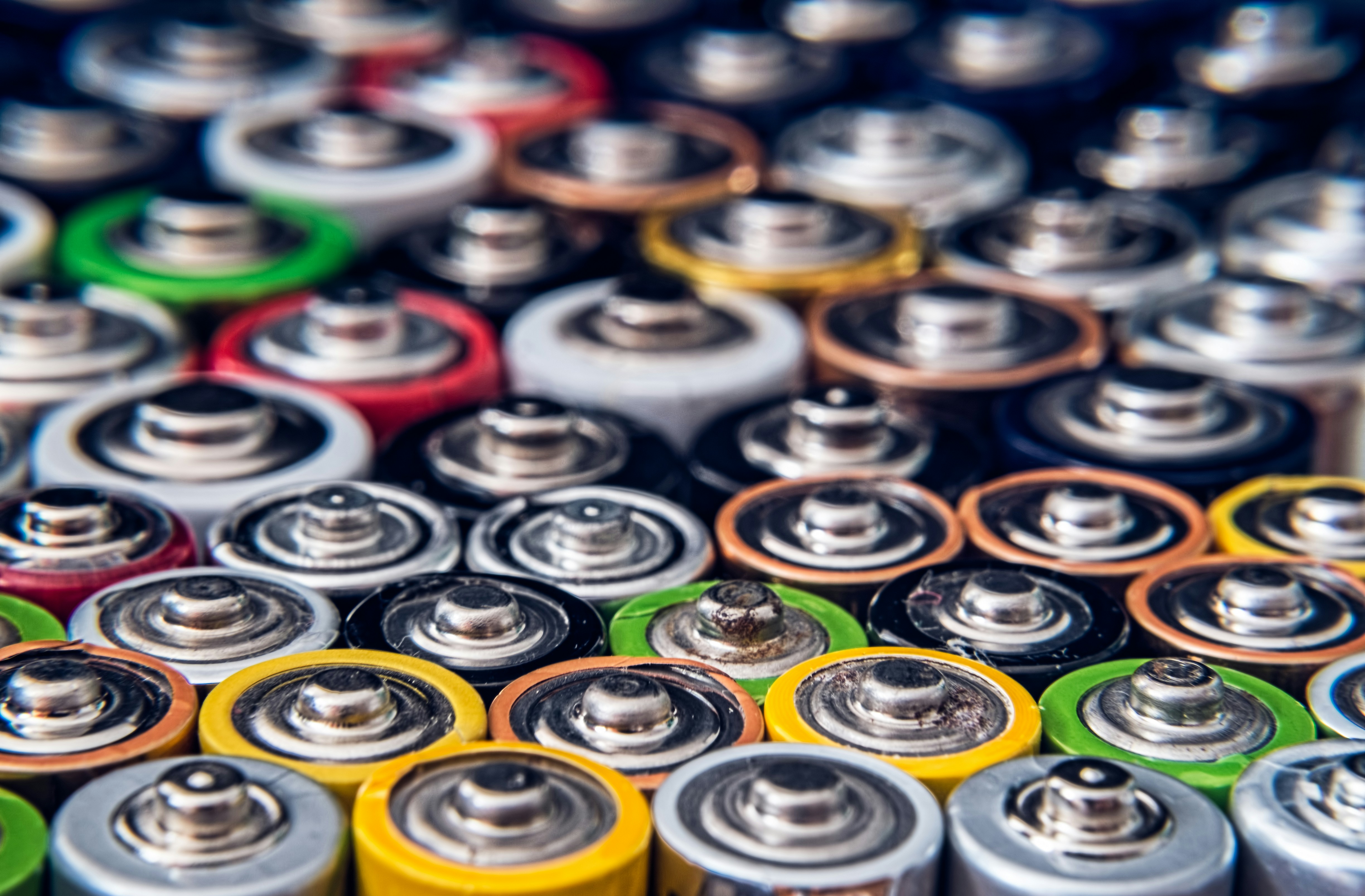
A Battery Energy Storage System stores electricity when it is cheap or abundant and releases it when it is expensive or scarce. For industry that translates into four cash levers:
Cutting demand charges by shaving the spikes that set your monthly billing demand.
Time-of-day arbitrage, charging on cheap off-peak power and discharging during costly peak hours.
Solar firming, holding midday solar generation for use after sunset.
Reliability, replacing or supplementing diesel gensets during grid outages.
Each lever has a different payback. Stack two or three and the economics improve sharply.
Lithium-ion vs flow battery in India: which chemistry for which job?
Most C&I deployments in India today use lithium-ion, and within that, lithium iron phosphate (LFP) dominates. There is a reason for the consensus.
Lithium iron phosphate (LFP)
LFP offers high cycle life, strong thermal stability and falling prices. It suits daily cycling applications: demand charge management, solar shifting, short-duration peak support of 2 to 4 hours. For nearly every industrial behind-the-meter project under 4 hours of duration, LFP is the default. Its energy density is lower than other lithium chemistries, but for a stationary system sitting in a yard or on a roof, footprint rarely decides the choice.
Flow batteries
Flow batteries, typically vanadium redox, decouple power from energy. You scale duration by adding electrolyte, not full battery modules. That makes them attractive for long-duration storage of 6 hours and beyond, and their cycle life is effectively unlimited for the application. The catch is higher upfront cost and a thin domestic supply and service base. For a typical Indian factory chasing demand charge savings, flow is overkill today. For a process plant that needs long, deep, repeated cycling, it deserves a look.
The practical rule: under 4 hours of discharge, choose LFP. Above 6 hours with heavy cycling, evaluate flow. In between, run the numbers both ways.
How does behind the meter storage in India actually save money?
Demand charge management is the clearest win
Industrial tariffs in most states carry a demand charge billed on your highest 15 or 30 minute demand in the month, often ₹400 to ₹600 per kVA per month. If your plant has short, sharp demand spikes, you are paying for capacity you use for minutes. A battery sized to shave those spikes lowers your billing demand every month. The saving is recurring and predictable, and this is how a capital project of this nature would earn its keep.
The sizing discipline matters. You do not size the battery to your peak load. You size it to the gap between your peak and the demand level you want to bill at, multiplied by how long the spike lasts. Oversize it and your payback collapses.
Solar plus storage shifts your cheapest power to your costliest hour
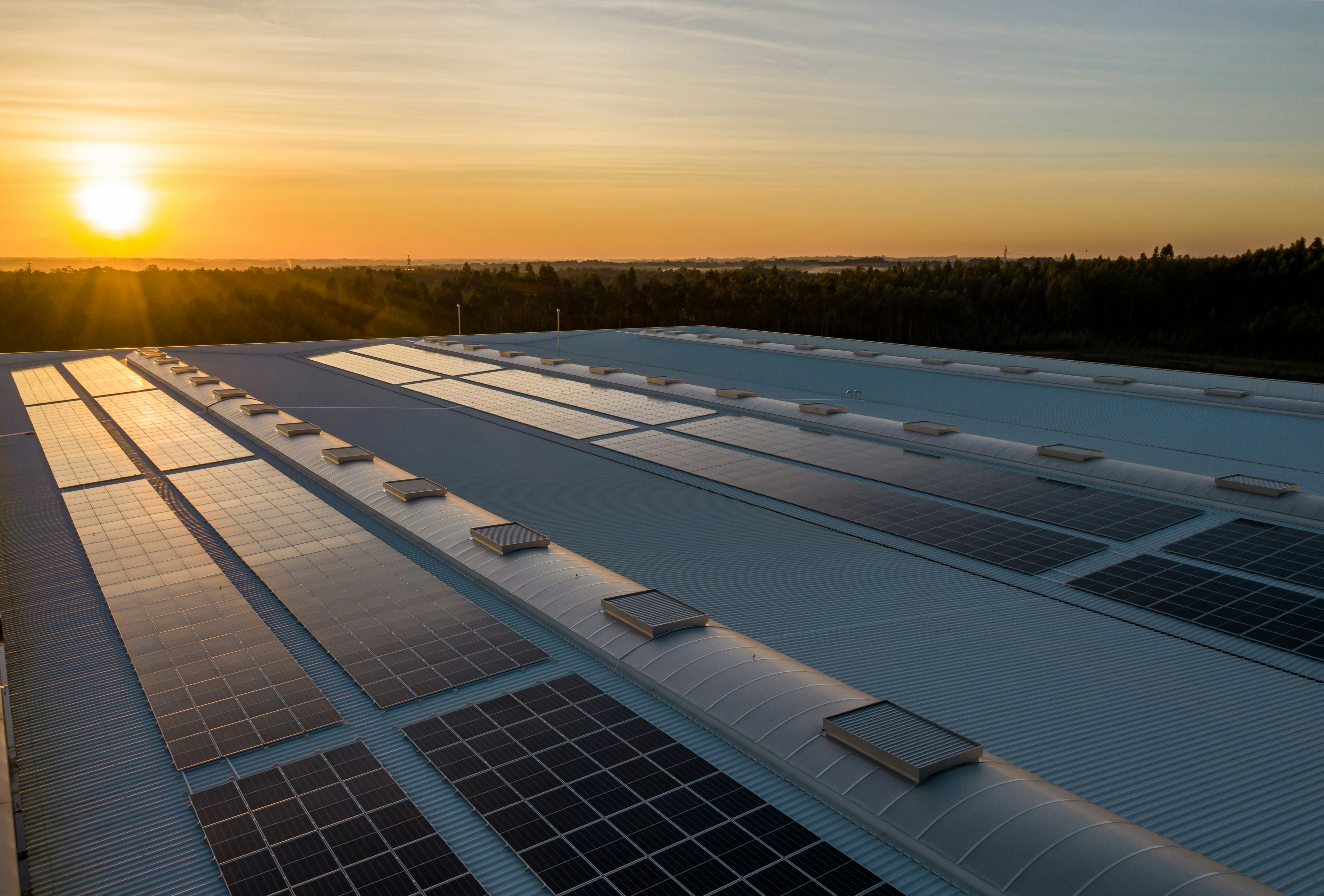
Rooftop solar generates at midday. Many industrial tariffs price evening hours highest. A battery charged on surplus solar and discharged during the evening peak captures that price spread without buying a single unit from the grid at peak rates. This is where storage and solar compound rather than compete.
Backup that beats diesel
Diesel generation runs ₹18 to ₹25 per unit once you load fuel, maintenance and emissions compliance. A solar-plus-storage system can displace a large share of genset runtime. The reliability value is real but harder to put on a spreadsheet, so treat it as upside, not the basis of your business case.
What is the BESS ROI in India, and what drives it?
There is no single payback number, because there is no single tariff. The ROI is driven by:
Demand charge level in your state and tariff category. Higher demand charges mean faster payback.
Time-of-day price spread between peak and off-peak slots. Wider spreads reward arbitrage.
Your load shape. Peaky loads save more per kWh of battery than flat loads.
Battery cost trajectory. Cell prices have fallen steadily, and the pace of large tenders like POWERGRID's 250 MW/1,000 MWh package signals a maturing supply base that keeps pressure on prices (SolarQuarter).
Policy support or mandate, which can change the economics overnight.
The disciplined approach is to model your own hourly or time-of-day consumption data against your actual tariff. A generic payback claim from a vendor deck is not a business case.
How does the Maharashtra Renewable Policy change the BESS requirement for C&I consumers?
Policy is now a direct input into storage economics, not a background factor. The Maharashtra Renewable Energy and Energy Storage Policy 2025-26 to 2035-36, approved on 18 March 2026, sets out clear guidance toward the use of storage by C&I consumers, including distributed energy storage, urban and industrial solar-plus-storage hubs and co-located storage with renewables (Government of Maharashtra). That guidance is being strengthened in practice by narrower banking regulations and a widening band between solar-hour tariffs and peak-hour tariffs, which together make it harder to justify oversized solar without storage attached.
For C&I consumers this cuts both ways. A storage requirement or mandate raises the upfront cost of a solar project because you now bundle in a battery. It also forces a system that captures more value across the day, which improves the long-run return if the storage is sized and operated well. The state itself frames storage and hybrid projects as central to meeting a peak demand that hit 30.7 GW in March 2025 and is projected to keep climbing (Government of Maharashtra).
The lesson generalises beyond Maharashtra. Storage guidance and mandates are spreading through state renewable policies, and they will increasingly decide whether a solar project is even worthwhile without a battery attached. If you are planning rooftop solar in any state, check the current storage requirement and banking rules before you finalise system size. A policy or banking change can turn a solar-only design into a poor investment overnight.
What should a C&I buyer actually do this week?
The utility-scale signal is loud. POWERGRID is out for 250 MW/1,000 MWh across India, and Telangana's generation utility has just awarded 375 MW of storage, with Coal India securing 187.5 MW of that (SolarQuarter, SolarQuarter). That scale brings the cost and service ecosystem that C&I projects depend on.
Three concrete steps this week:
Pull your last 12 months of hourly or time-of-day demand data and identify how much of your demand charge comes from short spikes. That single analysis tells you whether demand charge management is worth pursuing.
Check your state's current storage policy and banking rules, especially if you operate in Maharashtra or are planning new rooftop solar. The Maharashtra policy already guides C&I consumers toward storage, and tighter banking bands sharpen the case (Government of Maharashtra).
Model LFP at 2 to 4 hours against your actual tariff before entertaining any other chemistry. If the numbers do not work on LFP, they will not work on flow.
The best BESS is the one sized to your unique position, a combination of your load shape, your tariff, the regulatory requirements in your state and your own commercial hurdles. Do the data work first, then bring in a partner who can size and operate to that specific picture.
FAQ
What size BESS does an industrial plant need?
It depends on the use case. For demand charge management, size to the gap between your peak demand and target billing demand, times the spike duration, not to your full load. For solar shifting, size to the surplus solar you want to store and the evening hours you want to cover. Start from your hourly or time-of-day consumption data, not a rule of thumb.
Is lithium-ion or flow battery better for Indian industry?
For durations under 4 hours, which covers most C&I demand charge and solar-shifting cases, lithium iron phosphate is the default because of cost, cycle life and a maturing supply base. Flow batteries make sense for long-duration, heavy-cycling applications above 6 hours, but carry higher upfront cost and a thinner service base in India.
What is the typical payback on a C&I battery in India?
For demand charge management on a peaky load with high demand charges, simple payback typically lands in the 4 to 7 year range. The exact figure depends on your tariff, load shape and state policy. Model your own hourly or time-of-day demand data against your tariff rather than relying on a generic vendor estimate.
Does the Maharashtra storage policy apply to my project?
If you are deploying rooftop solar or storage in Maharashtra, the Maharashtra Renewable Energy and Energy Storage Policy 2025-26 to 2035-36 provides direct guidance for C&I consumers and, combined with tighter banking rules and wider tariff bands, strengthens the case for storage. Check the current rules before finalising system size, and assume other states may follow with similar provisions.
Can a BESS replace my diesel generator?
A solar-plus-storage system can displace a large share of genset runtime and the high cost of diesel, which runs ₹18 to ₹25 per unit all-in. Treat backup value as upside on top of demand charge and arbitrage savings rather than the core business case, since reliability value is harder to quantify.